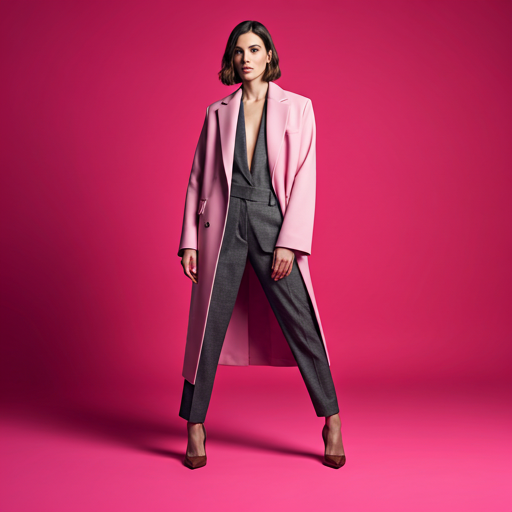
Two people wear the same white shirt, the same black trousers, the same white trainers. One looks dressed. The other looks like they stepped from the pages of a magazine. The difference, almost invariably, is in the accessories.
Accessories are not finishing touches — they are structural decisions. The bag you choose determines the formality register of the look. The shoes establish the energy. The jewellery adjusts the scale. Understanding how each category works, and how they interact with each other, is what separates an outfit from a look. This guide examines each accessory category in turn and gives you the specific principles that make accessorising feel effortless rather than effortful.
“Accessories are not finishing touches. They are structural decisions.”
01 — The bag: your formality anchor
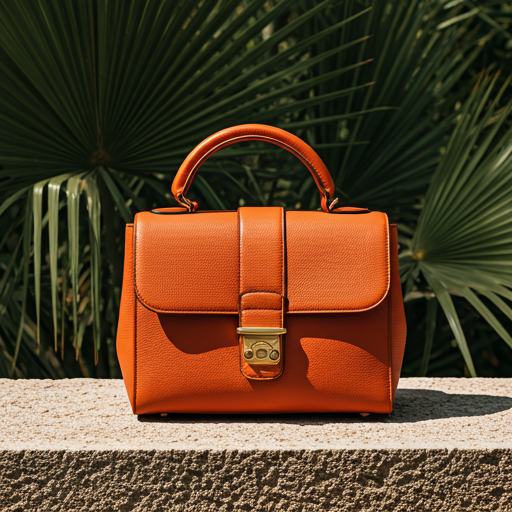
More than any other accessory, the bag sets the formal register of the look. A structured leather bag with a top handle reads as professional, even over the most casual outfit. A relaxed leather tote softens even the most formal tailoring. A tiny evening bag elevates even simple separates to dinner-ready. The principle: match the bag's structure to the occasion, not necessarily to the clothing. A highly structured outfit can carry a soft bag and become approachable; a very relaxed outfit can carry a structured bag and instantly look more pulled-together. Invest in two or three bags that cover different registers — a relaxed tote for daily life, a structured top-handle for professional settings, and a small bag for evenings — and rotate them according to context rather than outfit.
02 — Shoes: the energy of the look
If the bag sets the formality, the shoes set the energy. A heeled sandal creates length, elegance, and occasion. A flat pointed-toe mule is sophisticated but relaxed. A chunky loafer is confident and editorial. Clean white trainers are off-duty and effortless. The specific shoe you choose will shift the same outfit's energy entirely. An important principle: shoes work best when they create a clear visual line with the trouser or skirt hem. A pointed-toe heel under wide-leg trousers creates a continuous vertical through the leg; a chunky trainer interrupts it. A strappy sandal under a midi skirt allows the leg to read; a heavy boot cuts it off. Pay attention to where the eye is drawn.
03 — Jewellery: scale and intention
The most common jewellery mistake is wearing too much at once. Jewellery is not cumulative — adding more does not make the look more finished, it makes it noisier. The principle is intentional selection: choose one piece to carry the weight and let everything else be quiet. A large statement earring requires no necklace. A bold cuff bracelet requires no rings. A delicate layered necklace can exist alongside small stud earrings. Scale matters: fine jewellery suits fluid, delicate fabrics and simple shapes; bold jewellery suits structured tailoring and minimal silhouettes. The contrast between heavy jewellery and heavy fabric makes both disappear; the contrast between delicate jewellery and strong tailoring makes both more visible.
04 — The scarf: the most underrated accessory
A silk scarf is among the most versatile accessories available. Worn at the neck, it adds colour and pattern to a simple outfit. Tied loosely around a wrist, it becomes jewellery. Attached to a bag handle, it adds personality to even the most minimal bag. Worn as a headscarf, it is both functional and elegant. The printed silk scarf has the additional advantage of providing your colour story: if your outfit is entirely neutral, a scarf with a botanical or geometric print pulls in all the tones you need to make the look feel considered rather than plain. One quality printed silk scarf will earn its place in your wardrobe every season.
The goal of accessorising is not to complete an outfit — it is to elevate it. The best-accessorised looks appear to have been assembled without effort, because every decision was deliberate. The bag was chosen for its relationship to the occasion. The shoes were chosen for the line they create with the hem. The jewellery was edited to one intentional piece. The scarf was selected for the colour it brings. When each of these decisions is made consciously, the result is not a dressed-up person. It is a look.
Every detail is a decision. Make each one count.