
The best-dressed people do not have a summer wardrobe and a winter wardrobe. They have a wardrobe — a coherent collection of pieces that transitions between seasons through fabric weight, layering, and colour temperature rather than wholesale replacement.
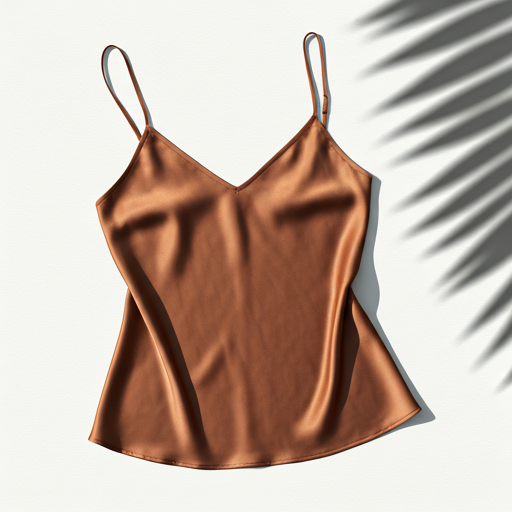
This approach requires thinking about clothing in terms of systems rather than outfits. A silk camisole is not a summer piece — it is a layering piece that works under a blazer in autumn, under a heavy knit in winter, and alone in heat. A linen blazer is not just for warm weather — worn over a fine-knit roll neck, it is a spring or early autumn layer with genuine warmth. The guide below walks through each seasonal transition and the specific moves that make your existing wardrobe work harder.
“The wardrobe that works all year is built on fabric intelligence, not seasonal shopping.”
01 — Spring: the art of lightweight layering
Spring dressing is not about wearing summer clothes with a jacket thrown on top. It requires genuinely transitional fabrics: fine linen that provides warmth without weight, cotton voile that layers without bulk, and lightweight silk twill that bridges the temperature gap between morning and afternoon. In spring, build outfits from the inside out — start with a fine silk or cotton layer, add a mid-layer of linen or fine cotton, and reach for a blazer or light coat only when the morning demands it. Colours in spring should feel fresh: sage green, pale terracotta, soft ivory. Save the saturated summer palette for warmer months.
02 — Summer: breathable fabric first
In genuine heat, fabric choice is everything. Linen, silk, and fine cotton are the only fabrics that allow the skin to breathe properly — everything else will leave you uncomfortable within an hour. Of these, linen is the most forgiving of the crease that heat creates (lean into the crease — it reads as effortless rather than careless). Silk is the most luxurious but requires more care in high humidity. Fine cotton is the most practical. For summer evenings, when air conditioning often makes a layer necessary, a lightweight silk kimono or a linen jacket carried over the arm covers every situation without adding significant warmth when unwanted.
03 — Autumn: the season of rich texture
Autumn is the richest season for dressing. The palette shifts from the fresh and bright to the warm and deep: terracotta, deep teal, forest green, cognac, burgundy. Fabrics become heavier and more tactile — wool crepe, heavy silk, cashmere, fine tweed. The transition from summer is not a sudden swap but a gradual addition: your silk midi dress still works in early autumn; simply add tights, a tailored blazer, and ankle boots and the same dress carries a completely different seasonal register. Autumn is also the season where accessories — scarves especially — carry the most weight. A printed silk scarf in autumn tones can anchor an entire look.
04 — Winter: structured warmth, not bulk
The challenge of winter dressing is warmth without volume. The answer is in the quality of insulation rather than the quantity of layers. A single cashmere coat over a fine silk blouse provides more warmth than three synthetic layers and looks incomparably more elegant. Underneath a coat, fine-knit roll necks in merino wool or cashmere are among the most versatile winter pieces — they add genuine warmth without bulk and work under blazers, coats, and jackets alike. Leather and suede accessories (boots, bags, gloves) add texture and warmth in winter without disrupting the silhouette.
05 — The year-round hero pieces
Some pieces transcend season entirely. A tailored blazer in a medium-weight fabric works in every season: alone or with a camisole in summer, over a fine knit in autumn, under a coat in winter, over a shirt in spring. A silk camisole layers under everything and stands alone in summer. Wide-leg trousers in a mid-weight fabric are a year-round staple that changes register entirely depending on what you wear with them and on your feet. These are the pieces to invest in most seriously, because they will work for you every single month of the year.
Seasonal dressing at its best is not about trends — it is about understanding your climate, your lifestyle, and the fabrics that serve both. The wardrobe that works all year is not the biggest wardrobe. It is the most considered one: pieces chosen for their versatility, maintained with care, and worn with the confidence that comes from knowing exactly why each item is there.
Every season. One wardrobe.