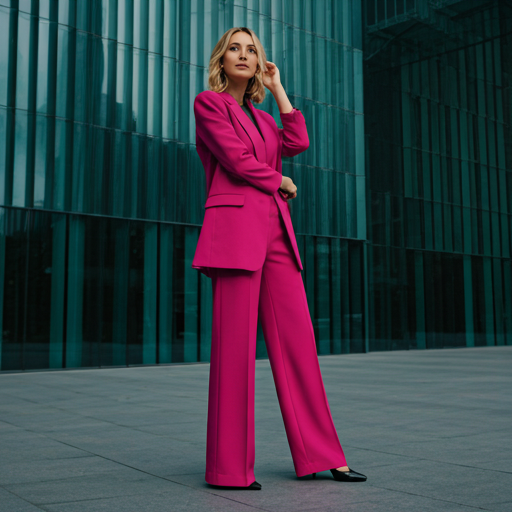
The most expensive garment in your wardrobe will still look cheap if it does not fit correctly. Conversely, a modest piece cut precisely for your body will read as luxury every time. This is the central truth of tailoring — and it is more relevant today than ever.
We are living through a moment of extreme silhouette diversity: oversized blazers, exaggerated shoulders, wide-leg trousers, and fluid bias-cut dresses all compete for attention simultaneously. Navigating this landscape confidently requires knowing which proportions suit your body, which structural elements create the most flattering silhouette, and — crucially — when a garment needs a tailor versus when it needs to be let go entirely.
“A modest piece cut precisely for your body will read as luxury every time.”
01 — The shoulder line is non-negotiable
Of all the measurements in a structured garment, the shoulder is the hardest to alter and the most important to get right. A jacket or coat with a shoulder seam that falls off the natural shoulder by even a centimetre will never look intentional. The shoulder seam should sit precisely at the point where your arm begins — not forward, not back. A dropped shoulder is a deliberate design choice; an accidentally dropped shoulder is a fitting failure. When buying tailored pieces off the rack, let the shoulder be your primary filter. Everything below the shoulder can be taken in, let out, or hemmed. The shoulder cannot.
02 — Define the waist, even in relaxed silhouettes
The current trend towards relaxed, voluminous clothing does not mean abandoning waist definition — it means finding subtler ways to suggest it. A thin leather belt over a flowing dress or an oversized blazer immediately signals a body beneath the fabric. A single button fastened at the natural waist on an otherwise open coat creates a focal point without restriction. Even in the most extreme oversized look, a hint of waist definition prevents the silhouette from reading as shapeless.
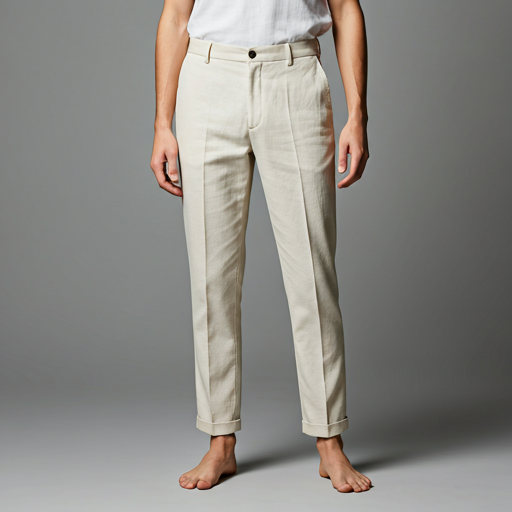
03 — The trouser break is a precision decision
How a trouser meets the shoe is one of the most telling details of a look. A full break — where fabric pools at the shoe — reads as relaxed and fluid. A half break — just skimming the top of the shoe — is the classic smart-casual length. No break at all, cropped above the ankle — creates a clean modern line and elongates the leg visually. Choose your break length based on the shoe you intend to wear: a wide-leg trouser with a full break and a pointed heel creates a continuous vertical line that is enormously elegant; the same trouser cropped to the ankle with a flat sandal has an entirely different, more relaxed energy.
04 — When to see a tailor
A good tailor is among the most valuable investments a wardrobe-conscious person can make. The alterations that provide the greatest return are: taking in the side seams of a blazer or coat for waist definition (inexpensive, transformative), shortening trouser hems to your preferred break (quick and precise), and tapering shirt sleeves (removes the bulge that ruins even the best blazer). The alterations to approach with caution: letting out side seams beyond the available allowance, and restructuring shoulders. Know that the price of a quality alteration is almost always less than the cost of replacing a piece you love but that no longer fits perfectly.
The well-tailored wardrobe is not a wardrobe of expensive pieces — it is a wardrobe of pieces that fit well. Developing the eye for fit takes time and experience, but the principles are consistent: shoulders define the frame, waist definition gives structure, trouser breaks control proportion, and a trusted tailor is the tool that closes the gap between what you buy and what you wear. Invest in fit. Everything else follows.
Fit first. Style follows.